
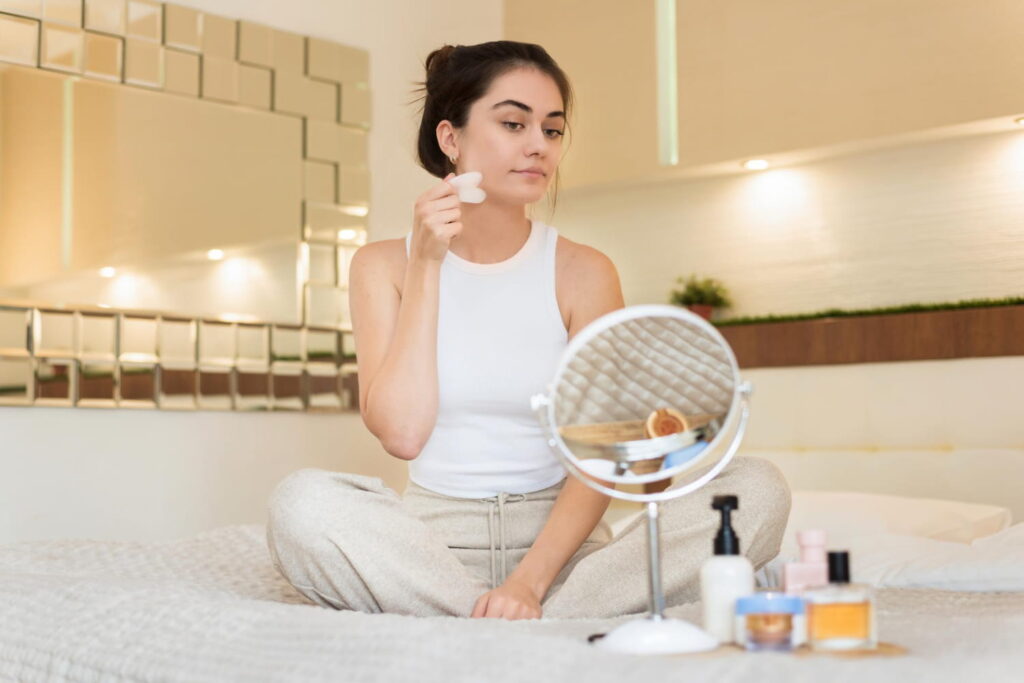
Ramadan is a blessed month for spiritual reflection, balance, and rejuvenation. However, the effects of fasting, lack of sleep, and long days which can negatively impact skin health. The holy month of Ramadan causes common skin problems which include dehydration and dullness and breakout of pimples and increased skin sensitivity (and Dubai is no exception).
You can achieve healthy and glowing skin during Ramadan 2026 and all future periods through proper skincare routines.
Our aesthetic dermatology expertise has developed a special Ramadan friendly skincare guide which enables you to nourish your skin while protecting it from damage and restoring its natural beauty between Suhoor and Iftar.
How Fasting Affects Your Skin During Ramadan
In fasting, your body prioritizes essential organs, thus resulting in lack of the skin hydration. Combined with:
- Limited water intake
- Sleep disruption
- More caffeine consumption after Iftar
- Heat and A/C exposure in Dubai
The combined effects lead to skin problems which include:
- Dry, dehydrated skin
- Dull complexion
- Increased sensitivity
- Breakouts or inflammation
Following a good skincare routine can help you counter these problems in an effective manner.
Morning Skincare Routine (Pre-Suhoor or Early Morning)
For the morning routine, should focus on hydration, barrier protection, and sun protection.
- Gentle Cleanser
Wash your face with a moisturizing, sulfate-free cleanser that is gentle and won’t strip the skin. Don’t use strong foaming washes, which will only dry the skin out more.
Dermatologist tip: Look for cleansers that contain ingredients such as glycerin, ceramides, or hyaluronic acid.
- Hydrating Serum
Use a light serum with either hyaluronic acid or peptides to help seal in moisture and plump the skin.
- Moisturizer
Choose a barrier-repair moisturizers to avoid trans-epidermal water loss when you are fasting.
- Broad-Spectrum Sunscreen (SPF 50+)
Sun protection a must, and this is equally applicable during the month of Ramadan. A non-comedogenic, that has been dermatologist-approved sunscreen and is suitable for Dubai’s intense UV exposure.
Evening Skincare Routine (After Iftar)
This is the best time to repair, treat, and rejuvenate your skin.
- Double Cleansing
Start with a gentle cleansing balm or micellar water to remove sunscreen and impurities, and then proceed by mild cleanser.
- Treatment Serums
Evening is the perfect time to use active ingredients on your skin. Some of the active ingredients that work well for your skin include:
- Vitamin C for brightness and glow
- Niacinamide to calm inflammation and refine pores
- Retinol (2–3 times a week) to support cell renewal
Please consult your dermatologist before using active ingredients on your skin.
- Nourishing Night Cream
Opt for richer textures with antioxidants and skin-repair components which will help your body recover during the night.
Weekly Skincare Boosters During Ramadan
Hydrating Facial Masks
Use hydration-focused masks once or twice weekly to restore moisture and improve radiance.
Gentle Exfoliation
Limit exfoliation to once a week using mild acids (like lactic or mandelic acid) to remove dull skin without irritation.
Professional Aesthetic Treatments Safe During Ramadan
If you’re looking to enhance your glow without downtime, several non-invasive aesthetic treatments in Dubai are ideal during Ramadan:
- The HydraFacial treatment provides customers with both deep skin hydration and immediate facial illumination.
- The skin boosters enable users to obtain better skin hydration levels while increasing their skin elasticity.
- LED light therapy provides two benefits because it reduces skin inflammation while making the skin more radiant.
- Medical facials tailored to fasting skin needs
Always schedule treatments after Iftar and consult with a licensed aesthetic dermatologist.
Hydration & Nutrition Tips for Glowing Skin
Skin care is at its best when paired with proper nutrition and hydration. Follow these tips to take the best care of your inner health as well as the outer:
- Drink water frequently through Iftar and Suhoor
- Include hydrating foods in your diet: Cucumbers, watermelon and soups.
- Avoid or limit salty, fried, and sweets
- Reduce excessive caffeine intake
Why Consult a Dermatologist During Ramadan?
Everyone’s skin type varies in reaction to fasting; therefore, working with a dermatologist helps you create a customized skin-care plan that supports:
- Balanced hydration
- Reducing skin irritation
- Safe use of active ingredients
- Long-lasting glow after Ramadan
At a reputable aesthetic clinic in Dubai, getting expert advice can be the secret to achieving your skin in perfect health and radiance all through the holy month.
Glow Confidently This Ramadan 2026
This is the time for nourishing your body, mind, and spirit. Use the same kind and loving care for your skin. A look of glowing skin can quietly enter your life if you follow the routines recommended by a dermatologist, care for your skin mindfully, and seek aesthetic support.
Schedule a consultation with us to discuss your skin during Ramadan with our experts at Aesthetic Dermatology in Dubai and glow with confidence during this holy month.


